Superfoods: Fact or Fiction

Introduction
At some point in your life, you’ve probably heard the term superfood. For the casual health and wellness connoisseur, this buzzword may have grabbed your attention on social media, often paired with claims that a single ingredient can transform your health. Maybe it was marketed as the one product that could fix your gut, boost your energy, or reverse years of poor dietary habits. But can adding one food to your routine really undo all the damage many of us have already done to our bodies? And more importantly, are these “superfoods” truly as extraordinary as their branding suggests?
Let’s find out.

BLUEBERRIES
One cup of these berries provides 25% of your daily recommended value of vitamin C, making them antioxidant rich and lowers the risk of cancer! Vitamin C helps with tissue growth and repair through the synthesis of collagen and as an antioxidative molecule it protects the body from free radicals. This low calorie fruit also contains vitamin K (proper blood clotting and bone health), manganese (wound healing, brain function, bone health), and potassium (maintains healthy blood pressure and bone health).

2. SALMON
This fish is rich in protein and omega-3 fatty acids. These fatty acids contain anti-inflammatory properties beneficial for reducing pain and soreness induced by inflammation. Omega-3 fatty acids are heart healthy and clear up the blood vessels from LDL cholesterol (bad cholesterol).

3. GREEN TEA
Aside from alleviating stress, this tea is a powerhouse in the body. It contains polyphenols which reduce inflammation and help with cardiovascular health. Polyphenols are also an antioxidant, which lower the risk of cancer. Green tea benefits our gut health, helps metabolize sugar, aids in weight loss, and helps prevent type-2 diabetes.

4. EGGS
Eggs are densely packed with nutrients, like all animal-source proteins, containing all nine essential amino acids. This excellent source of protein is ranked with a protein quality score of 100 using the Protein Digestibility Corrected Amino Acid Score (PDCAAS) method. Eggs get a perfect protein score because they contain all essential amino acids in ideal proportions and are almost completely digested and absorbed by the body. The egg yolk contains high amounts of vitamins A, D, E, and K. It also contains B vitamins. The only vitamins egg whites possess are the high amounts of B vitamins. According to a research article on the health benefits of eggs, “Eating two eggs per day covers 10% to 30% of the vitamin requirements for humans” (Rehault-Godbert, 2019).

5. OATMEAL
Oatmeal is a whole grain food meaning you can rest assured you are eating all the parts of the grain. This provides your body with the protein, fiber, and carbs that the grain naturally contains. Eating oatmeal ensures that you get the full nutritious package! Oatmeal improves insulin response and reduces blood sugar. It can also help improve healthy gut bacteria and cholesterol levels.

6. CHIA SEEDS
These tiny seeds contain a large amount of protein for their small size. They are packed full of fiber and have been known to aid in weight loss. The fiber content of these little guys should not be underestimated. One serving (2.5 tablespoons) gives you 12 grams of carbohydrates, 10 out of the 12 grams of carbs exist in the form of fiber. One serving of chia provides over 25% of your recommended daily allowance of fiber for men and over 40% for women.
7. AMARANTH
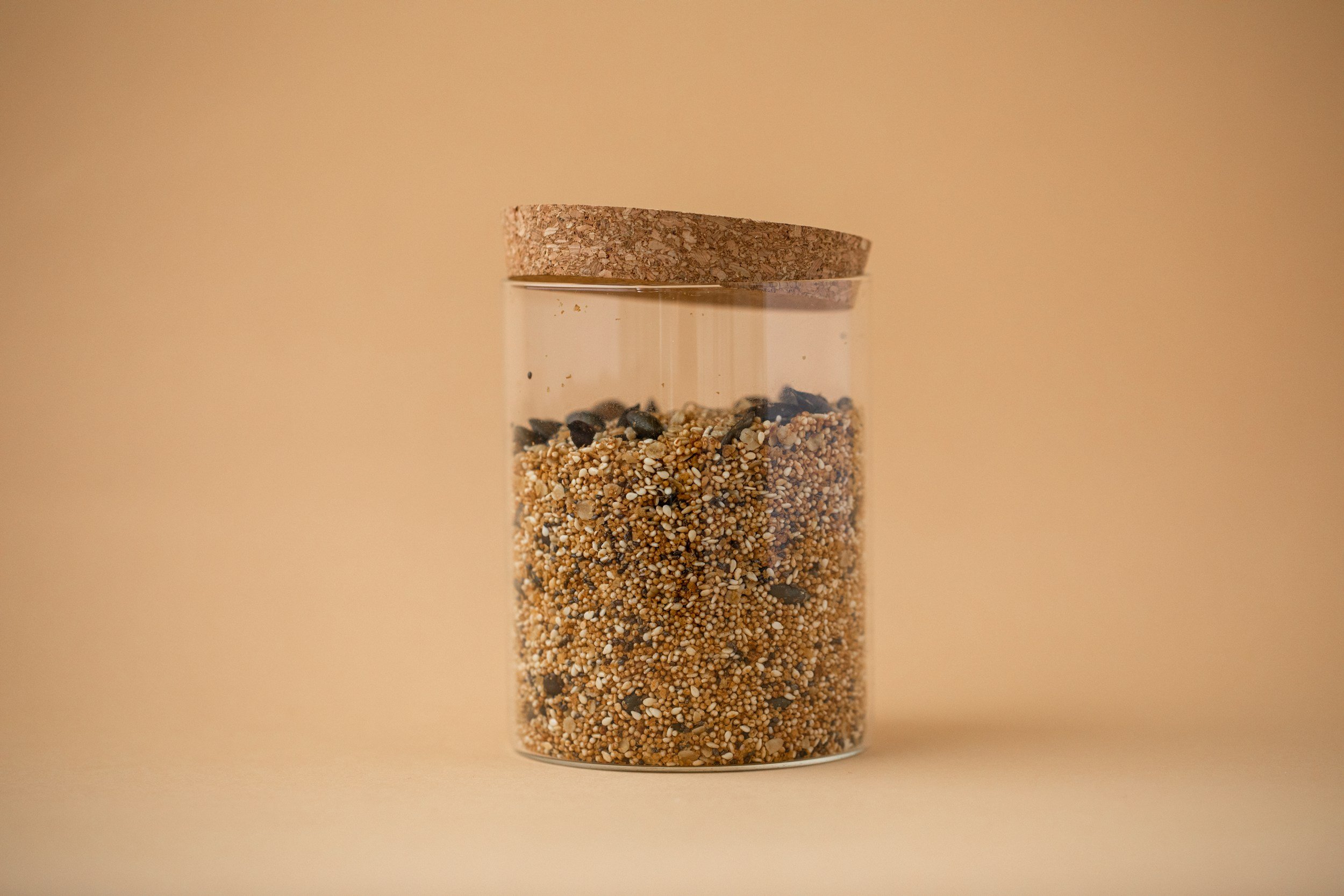
This is an ancient grain that improves cardiovascular health. It contains fiber, vitamins, and minerals that regulate blood pressure and lower LDL cholesterol. The vitamin K and potassium in amaranth promotes healthy bones and teeth. This grain is a good source of antioxidants in the form of polyphenols that aid in the prevention of cancer by protecting the body from free radicals.

8. SPIRULINA
This blue-green algae helps maintain a healthy immune system because of its vitamin E, C, and B6 content. It also boosts white blood cell production and antibodies that fight diseases. It is high in plant proteins (4g for every tablespoon) and BCAAs which aid in the speed of muscle recovery and protein synthesis in the body. It is a prebiotic, which is key to the production of healthy gut bacteria, thereby improving digestion.

9. WAKAME
Wakame is a seaweed and commonly found in miso soup and poke bowls. It lowers blood pressure and cholesterol which improves cardiovascular health. It aids in weight loss by stimulating lipid metabolism. It has energy boosting properties due to its carbohydrate, protein and iron content.

10. AVOCADOS
One of the more heavily marketed superfoods is avocados. And for good reason too. This fruit contains plenty of monounsaturated and polyunsaturated fats that are good for anti-inflammatory processes in the body. The omega-3 content helps promote healthy skin elasticity which maintains a youthful appearance. They also have a high fiber content. One medium avocado delivers 10 grams of fiber. Avocados also contain antioxidants in the form of vitamins C and E. They also contain vitamins K, and B6.
Now that we have gone over the benefits of superfoods, it is time to take a look at the underbelly of the superfood market. The term “superfood” is not a regulated term by any scientific or government organization. For example, a regulated term such as “whole grain” is protected under law in the U.S. This means a food can only be labeled as whole grain if it meets specific nutritional requirements set by the FDA. The term “superfood” is a buzzword often used to describe a food high in any desirable nutrients and relatively low in undesirable nutrients. Now, this does not mean superfoods aren’t real, but it means no one organization can agree on a specific marker that makes a food “super.”
Now, you may feel betrayed and manipulated by the food industry and social media labeling these foods as “super,” as if all you have to do is eat one of these foods and you become impervious to disease. These brands manipulate consumers into a dependency mindset. “Sure, you can have energy drinks and pizza every day, but if you drink our algae powder with water every morning, your gut health will return to its peak.” This is not the case, and one should be wary of how much they may rely on one superfood for their overall well-being. And yes, unfortunately, it does get worse, because not only does this industry make you think you are exempt from eating a balanced diet; it also causes harm to the environments of developing countries. According to a research study done on the marketing of superfoods, “these foodstuffs are produced far from the developed regions of the world, and the increase of their demand has consequences in producer countries” (Cobos, 2023). Supply has to meet demand. If chia seeds are going viral on TikTok, then farmers need to find shortcuts to meet the demand and produce more chia seeds in a shorter time-frame than what was done previous. This may lead to the transition from traditional agricultural styles to more intensive agricultural styles that negatively impact the soil. The demand will lead to the reduction of the growth of other traditional crops and sticking to a main crop that will make the most money overseas. The need to shovel out as much product as possible will result in a monoculture of crops, which is not good in the long-term health of the local environment and prices of traditional crops.
According to a research study done on the online marketing of superfood products, many of the foods that appear in influencer posts, blogs, and other online content contain the benefits of certain foods but leave out the biological functions they provide. For example, chia seeds were one of the most common superfoods found in unbiased search engine trials (Google being 94% of web searchers’ preference). Chia seeds were described as having high protein and being good for digestion but with little to no mention of bioactive compounds. The conclusive result of the study was that the online buzz about superfoods does not contain nutritional misinformation, but that it does not contain enough detailed information. Generally, a lot of the information provided on the top-searched superfoods (kale, spinach, chia seeds, avocados, etc.) was correct but lacked the scientific explanation behind their functions. Yes, the information provided by articles should be easy to understand for the typical consumer, but it should avoid creating false pretenses. The research article does warn about the false expectation of a one-ingredient-fixes-all mindset, yet reassures that the incorporation of such foods into a balanced diet does provide health benefits.
If you go back over the list I provided above, you may notice that the nutritional information did include bioactive compounds (polyunsaturated fatty acids, polyphenols, etc.) and their functions, along with the macronutrients (protein, carbohydrates, fats) many are familiar with. The functions of the vitamins and minerals are also provided for further explanation of the benefits of these foods. The information provided was to avoid the pitfall of most superfood blogs that just spew health jargain without providing education on what the nutrients do.
Fact or Fiction
In short, superfoods are… FICTION!
To recap: “Superfood” is not a regulated term and has a vague definition. There isn’t a full understanding of what is and is not considered a superfood, but this varies depending on the source of information because it is largely opinion-based. The long-term effects these foods or supplements may have on health depend on the individual. Is this person exercising and eating whole foods, or are they sedentary and eating primarily ultra-processed foods.
Many superfoods do contain beneficial properties, but false advertising can lead to harmful misinformation. For example, sea moss is commonly marketed as a superfood, but advertising it as energy-boosting, strength-enhancing, or disease-preventing can be misleading. Yes, it contains many minerals the body uses to convert food into energy, but its benefits are often inflated, along with the markup price, which can be a bit nefarious.
Incorporating a superfood or supplement into an unhealthy lifestyle is not a replacement for a balanced diet that includes the proper ratio of carbohydrates, fats, proteins, and fiber. Eat well, and try enjoying one or more foods from this list today! :)
Sources:
Réhault-Godbert S, Guyot N, Nys Y. The Golden Egg: Nutritional Value, Bioactivities, and Emerging Benefits for Human Health. Nutrients. 2019 Mar 22;11(3):684. doi: 10.3390/nu11030684. PMID: 30909449; PMCID: PMC6470839.
Cobos Á, Díaz O. 'Superfoods': Reliability of the Information for Consumers Available on the Web. Foods. 2023 Jan 26;12(3):546. doi: 10.3390/foods12030546. PMID: 36766074; PMCID: PMC9914617.