What’s Your Type? A Deep Dive Into Diabetes
Introduction
The most common metabolic disorder in the world is diabetes mellitus. Chances are, you or someone close to you has it. In the U.S., 1 in every 10 people has diabetes, and 1 in 5 of those individuals doesn’t even know it yet. Diabetes has a complicated reputation: it’s feared, it’s common, it’s incurable, and yet it’s very manageable. The goal here is to break down the confusion, reduce the stigma, and clear up misinformation using the best available science-based research.
What is Insulin
Insulin is a hormone released by the beta cells of the pancreas. It is secreted when we eat, and it helps the body use and store nutrients absorbed from the digestive tract. Insulin allows glucose, amino acids, and fatty acids to move from the bloodstream into cells, where they can be used for energy or stored. Glucose, which comes from carbohydrates in the diet, is one of insulin’s main targets. Carbohydrates are broken down to their simplest form during digestion, which results in glucose. Glucose is the body’s most preferred nutrient to use for energy. Insulin helps lower blood glucose by storing it in the liver and muscles as glycogen or converting it into fat when storage sites are full. Insulin allows for the entry of glucose into the cells. Imagine your cells are like an office building, and glucose is the workers who need to get inside to do their jobs and keep everything running. Insulin acts like the keycard that unlocks the doors. Without insulin, the glucose can’t enter the building, so the work can’t get done. Insulin resistance occurs when the cells have become numb to the signaling factor of insulin and need a lot more insulin than usual to absorb glucose. Insulin resistance occurs in many conditions, but it is most commonly a factor of diabetes.
What is Type 1 Diabetes
First, what’s the difference between type 1 diabetes and type 2 diabetes? Type 1 diabetes is the most common form of diabetes found in children. It may develop in childhood or adolescence. While the cause is largely unknown, there may be links to genetic history. Type 1 usually appears at ages 4-6 years old and 10-14 years old. Rarely does this type appear in adulthood. Type 1 diabetes is an autoimmune disease, meaning the immune system wrongfully identifies part of the body as a foreign object and sends its troops to attack that body part. In the case of type 1 diabetes, the pancreas is attacked. Your beta-cells, cells in the pancreas that secrete insulin, are killed off to the point where your body can no longer create its own insulin. Insulin is a hormone that signals the cells in your body to absorb glucose, which is our body’s main source of energy. When our cells can’t absorb glucose it floats around in our blood causing all types of problems. When blood glucose, or blood sugar, rises uncontrollably it is called hyperglycemia. The capillaries sustain damage around the body. Think of capillaries as tiny sensitive blood vessels that act as the environment for oxygen exchange, nutrient, and waste product exchange between the blood and the tissues. When capillaries sustain damage, it results in harm to the retinas, the kidneys, and the nerves. Type 1 diabetics are usually diagnosed after experiencing the telltale signs of hyperglycemia; increased hunger, increased thirst, increased urination, and weight loss. The process of being screened and diagnosed with diabetes consists of some tests including A1c, FBG, OGTT, but we’re not getting into those. Once diagnosed, type 1 diabetics become insulin dependent for life. Insulin-dependent means they require the administration of prescription insulin before eating meals or snacks in order to avoid hyperglycemia. The dosing and injection of insulin may seem tedious but it is necessary for survival. Many type 1 diabetics will wear an insulin pump which is an automatic pump and is great for helping young patients feel less burdened and have a sense of normalcy like their peers.
What is Type 2 Diabetes
Type 2 diabetes largely occurs in adults but can show up at any age, increasing more in children and adolescents. It is an insulin-resistant condition characterized by the cells not responding to your body’s natural insulin. In most cases, the body still secretes insulin, but the cells are being stubborn and require greater amounts of insulin to take up glucose; this is referred to as being insulin-resistant. In some cases of type 2 diabetes, the body is both insulin-resistant and the pancreas is not secreting enough insulin. Type 2 is a multi-factoral condition, meaning there is no one cause for the insulin resistance. Factors that increase the risk of developing this type of diabetes include age, obesity, sedentary lifestyle, and a diet high in refined carbs and saturated fats. PCOS can cause insulin resistance, which in turn can lead to type 2 diabetes. In the U.S., we see that many non-white ethnic groups have a higher risk of developing type 2 diabetes than their white counterparts. This includes Native Americans, African Americans, Hispanics, Asian Americans, and Pacific Islanders. The elevated risk of type 2 diabetes seen in racial minority groups is largely driven by systemic racism, inequitable access to healthy foods, and disparities in education and healthcare.
The Dangers of Uncontrolled Diabetes
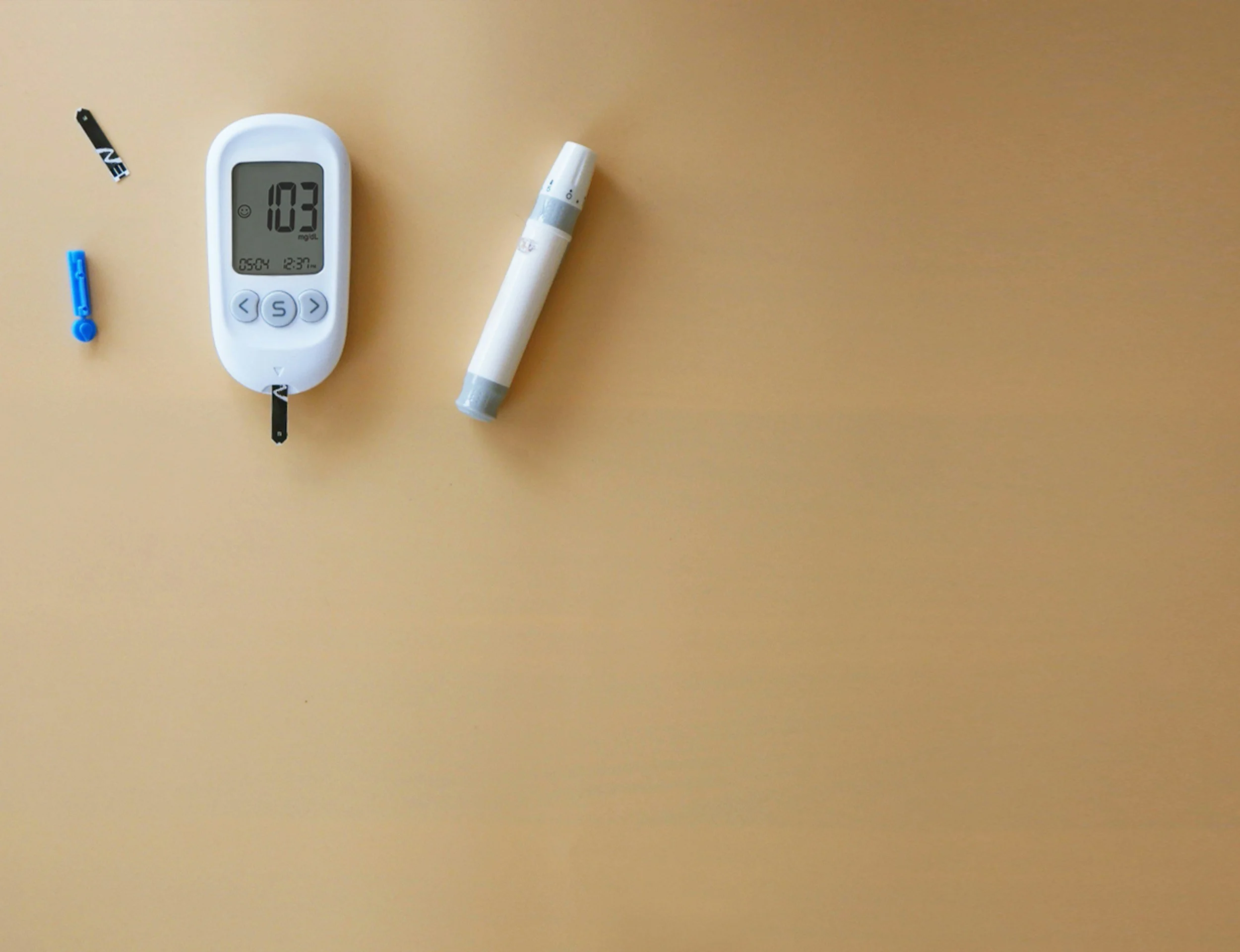
A HbA1c test measures your blood glucose control from the last three months. The A1c test requires a blood sample in order to look at the glucose attached to the hemogblobin, the protein that exists inside red blood cells. When glucose enters the bloodstream it attaches itself to hemoglobin and remains for the period of the red blood cell’s lifespan, which is 2-3 months. If someone repeatedly experiences high blood sugar more often than what is considered healthy, a larger percentage of their red blood cells will have this sugar coating, which will show up as a percentage, this percentage will be your HbA1c. An A1c of 5.7% to 6.4% is considered prediabetic. This is not quite diabetes yet, and it is asymptomatic. If your A1c is in this range it just means you should be taking a different approach to your health to properly manage your blood glucose to prevent the advancement to type 2 diabetes. Prevention involves counting carbs, eating balanced meal, exercise, taking medication, and looking into supplementation. There are many food products, herbs, and OTC supplements that help manage blood sugar; cinnamon, berberine, ginger, and apple cider vinegar just to name a few. Supplementation should not be used as a replacement for medication if your doctor deems that prescription medication is necessary at this point. When an A1c reaches 6.5% or higher, the prediabetes has fully transitioned to type 2 diabetes. The goal for people with diabetes changes from prevention to maintenance; in other words, making sure the A1c does not go above 7%. This can be done through exercise, taking medication, counting carbs, and eating balanced meals with whole grains, fiber, lean protein, and healthy fats. When the A1c goes above 7%, the risk for kidney disease, peripheral artery disease, neuropathy, retinopathy increases. Slow healing wounds in the feet and other areas of the body can occur, in severe cases this leads to necrosis and will require amputation. Cardiovascular disease can occur secondary to uncontrolled diabetes; this means that heart attacks, strokes, and hypertension are associated with poor blood sugar control. Diabetic ketoacidosis, or DKA, is a potentially fatal condition that people with uncontrolled diabetes may be at risk for and is most common in type 1 diabetes due to the lack of insulin. DKA can occur when insulin is not taken properly, such as skipping doses or, in patients facing financial struggles, not being able to afford it. It can also occur in diabetics during times of extreme stress, infection, or illness. When hyperglycemia goes unchecked and reaches 250 mg/dL and up, there is a large risk for DKA occurring. During DKA, your cells are not using the glucose in your blood for energy and your body creates ketones to use as a source of fuel instead. The rapid increase of ketones in the blood causes it to become acidic. Symptoms of DKA include increased thirst, urination, vomiting, confusion, and fatigue. DKA requires hospitalization and cannot be reversed at home. DKA can lead to a diabetic coma, which can be fatal. This is why it is important for diabetics to check their blood sugar multiple times a day with the finger-prick test or wear a continuous glucose monitor to visually see what foods make their blood sugar spike in real time.
Conclusion
Diabetes is a complex condition, but it becomes far more manageable when people have access to accurate information and the tools needed to understand their bodies. Thanks to modern medicine, a diagnosis that can be scary at first, and was once considered a death sentence, has become a condition that simply requires a little extra care and attention. By recognizing the differences between type 1 and type 2 diabetes, the role of insulin, and the risks of uncontrolled blood sugar, individuals can take meaningful steps toward protecting their long-term health. With the right support, education, and treatment, people with diabetes can live full, healthy, and empowered lives.
Sources
1. Levitsky LL, Misra M. Type 1 diabetes mellitus in children and adolescents: Epidemiology, presentation, and diagnosis. UpToDate. 2025. https://www.uptodate.com/contents/type-1-diabetes-mellitus-in-children-and-adolescents-epidemiology-presentation-and-diagnosis?search=type%201%20diabetes&source=search_result&selectedTitle=2~150&usage_type=default&display_rank=2Updated [11/19/2025]. Accessed [11/23/2025].
2. Robertson RP, Udler MS. Pathogenesis of type 2 diabetes mellitus. UpToDate. 2025. https://www.uptodate.com/contents/pathogenesis-of-type-2-diabetes-mellitus?search=type%202%20diabetes&source=search_result&selectedTitle=4~150&usage_type=default&display_rank Updated [8/25/2025]. Accessed [11/29/2025].